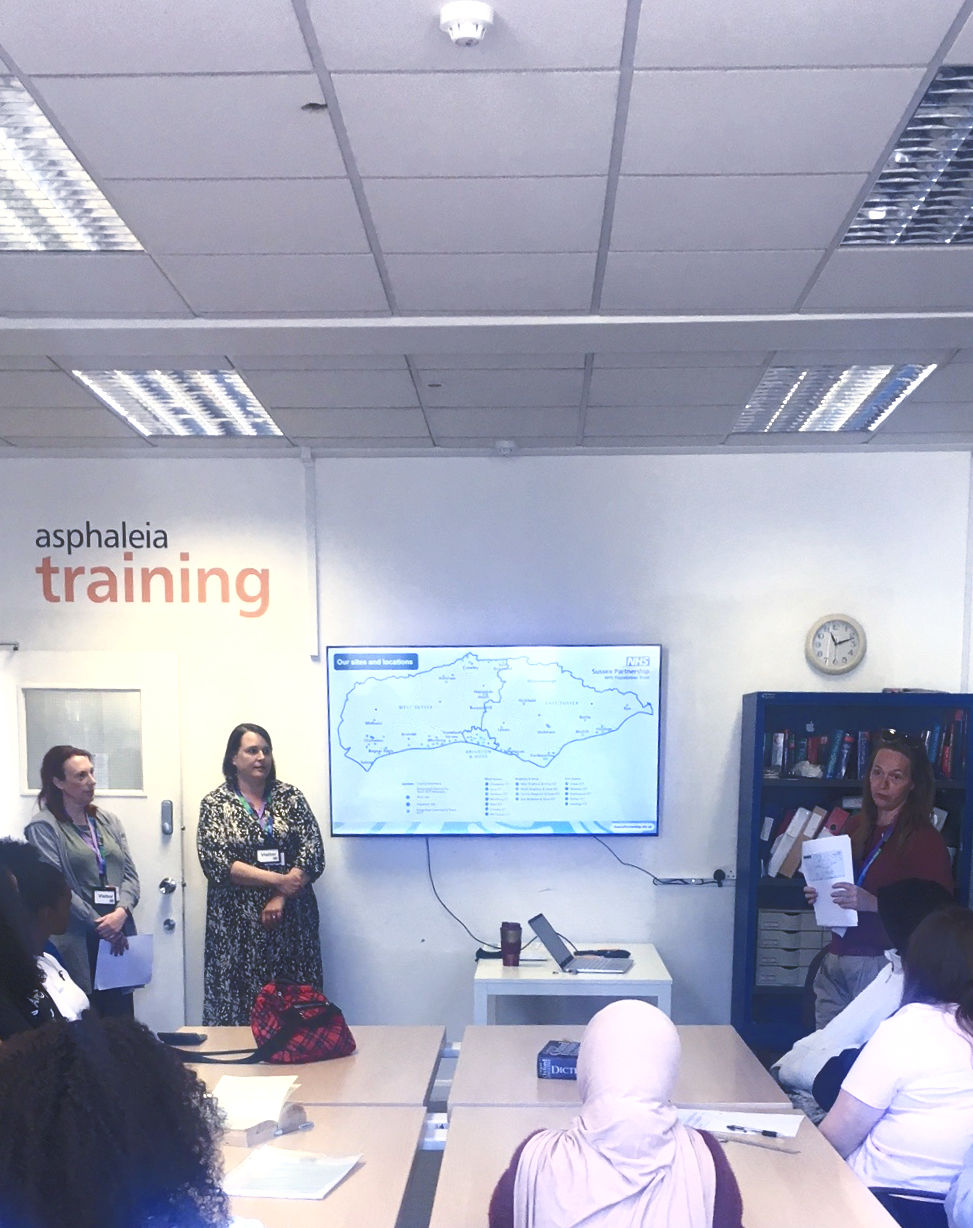
helping young people prepare for exams and manage their wellbeing
It's exam season at secondary schools, colleges, and asphaleia training. Exam and assessment periods can be a challenging time for many young people. Alongside the pressure to perform, exams can bring anxiety, low confidence or worries linked to previous experiences of education.
preparation is key
Helping young people prepare for exams is about more than academic knowledge. It also involves supporting their wellbeing, helping them understand what to expect, and encouraging confidence in their everyday skills.
One important step is making exams feel as predictable as possible. Knowing how long an assessment will last, what types of questions will be included, when and where it will be, and what the environment will be like can reduce uncertainty and help young people feel more in control.

At asphaleia training, our students are sitting Functional Skills English and maths assessments. Functional Skills assessments are designed to reflect real‑life skills. In English, this may include reading information, writing clearly and communicating ideas. In maths, it often focuses on using numbers to solve practical problems such as managing money, interpreting information or measuring quantities.
Recognising these skills in daily life can be reassuring. Activities such as reading letters or instructions, budgeting, checking bills, writing messages or following timetables all use the same skills assessed in Functional Skills exams.
wellbeing support during exam season
Wellbeing is closely linked to exam performance. High levels of stress or poor sleep can affect concentration, memory and emotional regulation. Encouraging regular routines around sleep, meals, movement, and study can help young people feel more settled during exam periods. Taking short breaks and spending time outdoors can support focus and resilience.

Support from trusted adults also plays a key role. Talking through worries and asking questions about assessments can reduce anxiety and help young people feel less alone.
prepare for exams with these resources
When it comes to revision, having access to clear, reliable resources can make preparation feel more manageable. Many young people benefit from structured, easy‑to‑follow materials that match the format of their assessment.
Useful Functional Skills revision resources include:
• BBC Bitesize: BBC Bitesize offers free, accessible English and maths resources that support core skills used in Functional Skills assessments, including reading, writing and numeracy practice.
• NCFE Functional Skills practice materials: NCFE provides sample assessment materials and practice papers for Functional Skills English and maths at Entry Level, Level 1 and Level 2. These can help learners become familiar with question styles and expectations.
Using a small number of trusted resources is often more effective than trying to cover everything. Short, focused practice combined with reassurance and encouragement can help young people feel more confident going into assessments.
keep the right perspective on exams
Finally, it is important to keep exams in perspective. Results are one moment in time and do not define a young person’s worth or potential. By combining clear information, practical preparation and strong emotional support, we can help young people approach exams feeling calmer and better equipped to do their best.
To find out more about our further education provision for 16-18 year-olds living in West Sussex, visit this page on our website.